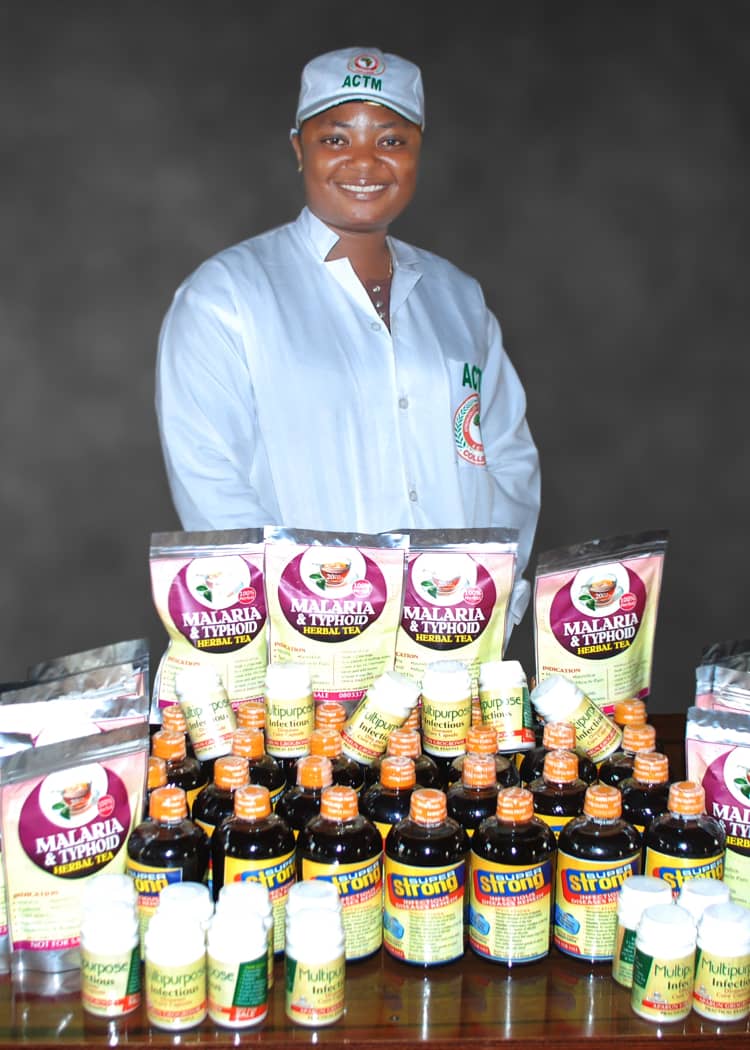




Africa is home to a rich tradition of natural healing practices, with deep cultural roots that span generations. Traditional medicine has always played a central role in African societies, not only addressing physical health but also supporting spiritual well-being and community harmony. Today, the African College of Traditional Medicine (ACTM) is at the forefront of preserving and advancing this ancient wisdom. ACTM is committed to both honoring Africa’s heritage of natural medicine and equipping students with the knowledge to integrate these practices with modern healthcare systems. By bridging tradition and innovation, ACTM supports the preservation of African cultural heritage while providing effective, holistic healthcare solutions.
The Importance of Traditional Medicine in African Culture
Traditional medicine in Africa is much more than a means of healing; it is an integral part of cultural identity, community life, and spiritual practice. For centuries, African healers, often referred to as herbalists or traditional healers, have served as key figures in their communities. Their knowledge, passed down through generations, encompasses a deep understanding of native plants, natural remedies, and practices that promote both physical and spiritual wellness.
Unlike Western medicine, which often focuses primarily on physical symptoms, African traditional medicine takes a holistic approach, treating the body, mind, and spirit as interconnected. Traditional healers see illness as not only a physical imbalance but also a reflection of one’s spiritual and emotional state, a philosophy that resonates with many people seeking natural and comprehensive healing.
However, traditional medicine faces challenges in the modern world. Rapid urbanization, Western influence, and the commercialization of healthcare have led to a gradual decline in the transmission of indigenous knowledge. This is where the African College of Traditional Medicine plays a vital role, preserving these ancient practices while ensuring they remain relevant in contemporary society.
ACTM’s Mission: Preserving Knowledge and Enhancing Skills
The African College of Traditional Medicine is dedicated to preserving, formalizing, and advancing traditional African medicine. ACTM offers specialized programs in herbal medicine, ethnobotany, acupuncture, nutrition, and holistic healing practices. By providing structured education in traditional medicine, ACTM equips students with both the cultural context and scientific foundation needed to practice these skills effectively.
- Preserving Traditional Knowledge: One of the college’s primary goals is to document and preserve indigenous knowledge of medicinal plants, remedies, and holistic practices. The college collaborates with local healers and indigenous communities to ensure that the wisdom of traditional medicine is accurately and respectfully captured.
- Scientific Research and Innovation: While rooted in tradition, ACTM recognizes the importance of scientific validation in modern healthcare. The college engages in research to validate the efficacy and safety of traditional remedies, supporting evidence-based applications of traditional practices. This research not only builds credibility for African traditional medicine but also opens doors for new treatments and solutions in modern healthcare.
- Practical Training and Community Outreach: ACTM emphasizes hands-on training and community engagement. Students work alongside experienced traditional healers, learning to identify medicinal plants, prepare herbal remedies, and conduct healing rituals. Through community outreach programs, students bring their knowledge directly to underserved rural areas, where access to healthcare may be limited, making ACTM an essential resource for sustainable and accessible healthcare solutions in Africa.
Educating the Next Generation of Healers
ACTM is more than an educational institution; it’s a community dedicated to nurturing future healers who respect and protect Africa’s cultural heritage. The college’s curriculum is carefully crafted to give students a well-rounded education in both traditional healing and modern medical science. This approach enables graduates to work confidently within traditional settings or collaborate within modern healthcare systems.
- Cultural Immersion: Students are encouraged to immerse themselves in the cultural aspects of traditional healing, understanding the importance of rituals, community gatherings, and spiritual practices in African medicine. This immersion helps students appreciate the deep connection between cultural identity and healing.
- Combining Tradition with Modern Healthcare: ACTM’s programs emphasize integrating traditional practices with scientific understanding. Students learn about anatomy, physiology, and pharmacology to better understand how traditional remedies interact with the body. By merging traditional and scientific knowledge, ACTM graduates are equipped to work in interdisciplinary settings, collaborating with doctors, scientists, and healthcare organizations to promote health from a culturally respectful standpoint.
- Ethics and Responsibility: With the increased interest in herbal medicine and natural remedies, ethical concerns around sustainable harvesting, fair trade, and intellectual property rights arise. ACTM teaches students to approach traditional medicine with respect for the environment, ethical sourcing of plants, and a commitment to preserving knowledge within the community rather than commercializing it.
Empowering Communities and Promoting Health
Beyond educating healers, ACTM plays an active role in community development and health promotion. Through its outreach programs, the college addresses the healthcare needs of remote and underserved communities, providing affordable and culturally relevant healthcare solutions. By training practitioners in traditional medicine, ACTM supports local communities in maintaining their health and well-being, while also empowering them with knowledge that is sustainable and accessible.
The college also promotes the economic empowerment of communities by encouraging sustainable and ethical harvesting of medicinal plants, helping local farmers and herbalists gain fair market access. This approach not only conserves biodiversity but also provides an economic incentive for communities to protect their natural resources.
The African College of Traditional Medicine stands as a beacon of cultural preservation, healing, and innovation. In a world where traditional knowledge risks being overshadowed, ACTM champions the invaluable wisdom of African traditional medicine. By preserving indigenous practices, educating the next generation of healers, and promoting research-backed solutions, ACTM bridges the gap between ancient wisdom and contemporary healthcare.
As traditional African medicine continues to gain global recognition, ACTM ensures that it remains accessible, respected, and preserved for future generations. The college is not only preserving cultural heritage but also empowering communities and offering a sustainable approach to health that resonates with people seeking natural, holistic well-being. Through the dedication of its students, faculty, and community partners, ACTM continues to honor Africa’s healing traditions while paving the way for a healthier, culturally connected future.